The Story Behind A Variant That Refused To Follow The Modern Formula
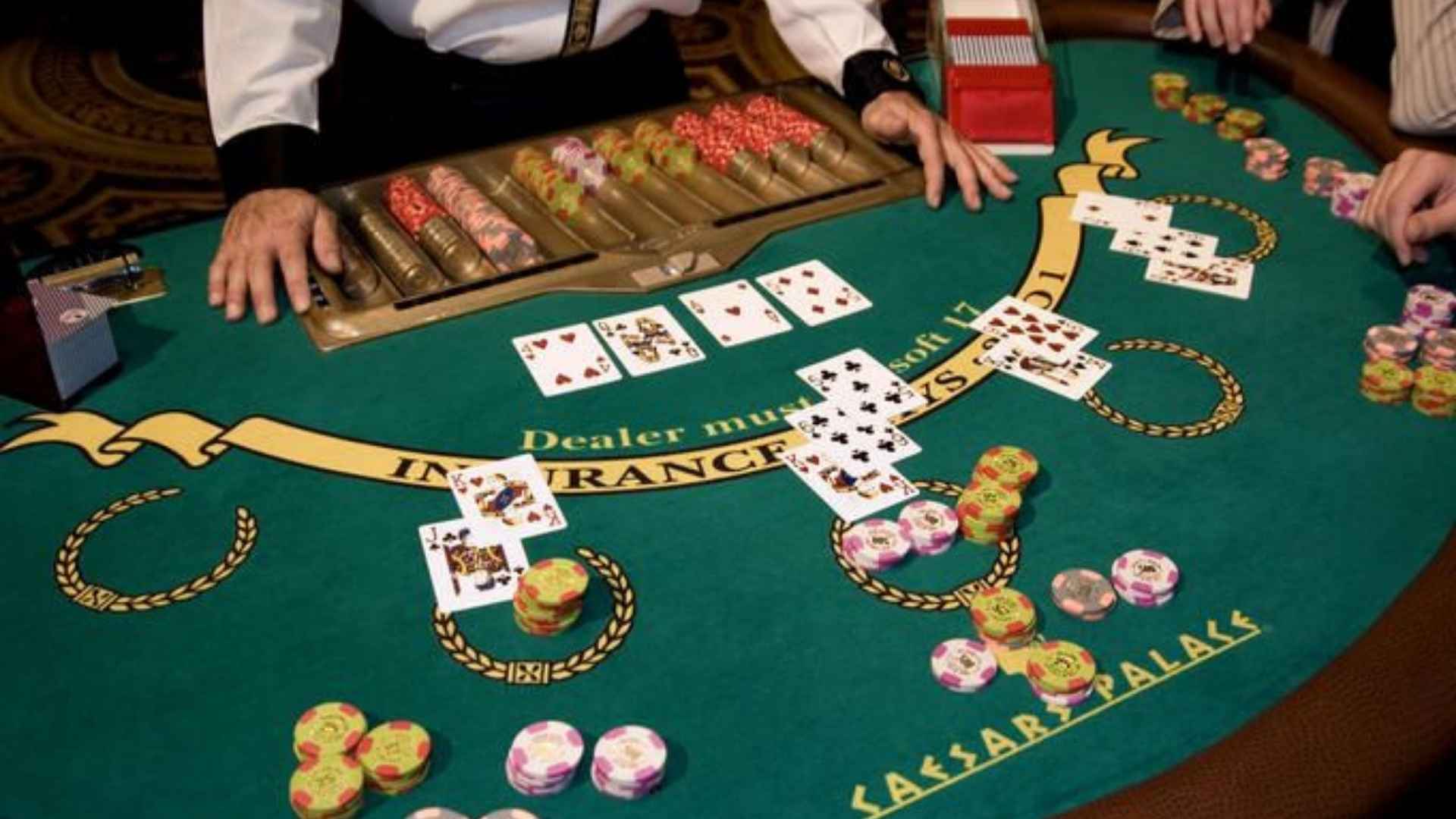
The evolution of casino gaming has generally followed a path toward rapid automation, uniform software layouts, and predictable game structures. While modern establishments favor swift outcomes that maximize table efficiency, certain historical offshoots resisted this formulaic approach. By examining the legacy of traditional card play, we uncover a fascinating alternative that placed direct human agency and collective accountability above streamlined corporate rules.
The Rejection of Automated Standards
Classic gaming salons across Europe originally relied on a structural dynamic where participants managed the operational elements of the table. Unlike contemporary casino floors that implement fixed rules where players merely speculate on automated outcomes, this specific variant kept decision-making fluid. The shifting roles prevented the game from becoming a repetitive comparison of single digits, turning each round into an interactive social event.
By resisting the push toward standardized dealing, the classic format maintained an unpredictable rhythm governed entirely by the players present. This stubborn defiance against optimization created an environment where observation and environmental awareness became crucial skills. Participants could not simply rely on statistical tracking software, as human temperament directly influenced how stakes were managed throughout the session.
How Shifting Responsibilities Altered Table Dynamics
In this non-traditional arrangement, the privilege of managing the game funds circulated among the participants rather than remaining anchored to a corporate entity. This structural choice transformed a passive wagering routine into a complex exercise in shared financial risk. Every seat around the semi-circular layout offered a distinct strategic viewpoint, forcing players to adapt their tactics based on physical placement.
Modern enthusiasts seeking a similar blend of traditional mechanics and adapted convenience can access updated platforms via m88 login mobile to explore active variations. These digital interfaces preserve the foundational rules while ensuring smooth operations for a global audience. The preservation of these unique structural elements demonstrates that players still value deep engagement over entirely automated gaming systems.
The Preservation of Tactical Choice
The primary reason this historical variant refused to follow the modern casino blueprint was its reliance on optional card-drawing rules. In standard modern setups, automated procedures dictate whether a third card is distributed, removing personal choice from the equation entirely. Traditional rules, however, allowed the active participant to decide whether to stand or draw based on observation and psychology.
This degree of direct control elevated the game from a basic test of luck into a sophisticated psychological battleground. Experienced players learned to interpret subtle timing cues and positional advantages to outmaneuver their opponents. This focus on tactical flexibility ensured the format retained a loyal following among purists who rejected the predictable nature of modern casino variations.
The Long Term Value of Cultural Customs
As the entertainment industry continues to prioritize speed and digital simplification, exploring historical game architectures offers essential lessons for future design. The enduring fascination with interactive card traditions proves that community engagement remains a vital component of successful leisure activities. By moving away from rigid formulas, early gaming houses created timeless rituals that still command respect today.
Ultimately, the story of this stubborn variant reminds us that entertainment is often most compelling when it requires active human participation. Uncovering the mechanics of player-controlled tables provides a richer perspective on the sophisticated history of global gaming. Preserving these historic customs ensures that the foundational spirit of tactical card play continues to inspire modern enthusiasts.